Jacques Panijel
Known For
Biography
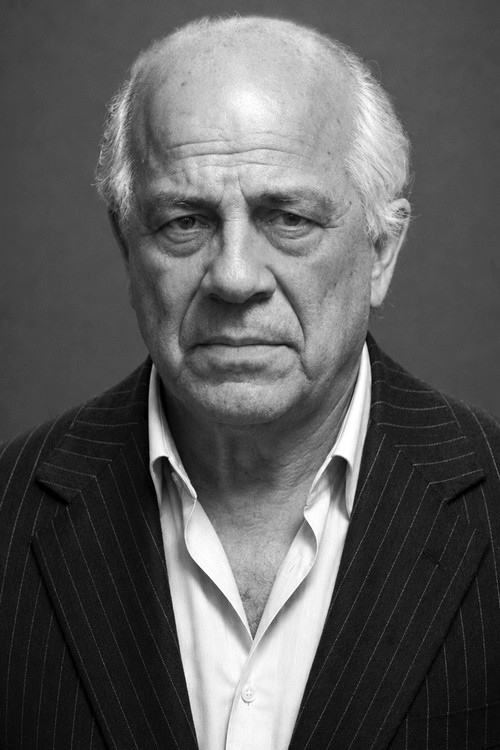
Jacques Panijel, born on September 22, 1921, of Romanian origin, and died on September 12, 2010, in Paris, was an immunologist, biologist, writer, filmmaker, and anti-colonial activist.
A member of the Combat resistance network, and a maquis fighter at the age of twenty, Jacques Panijel participated in the establishment of the National Maquis Service. After the Liberation, he spent a year at the Ministry of War as head of the 1st Bureau. He was awarded the Croix de Guerre, the Legion of Honor, and the Resistance Medal. In 1948, he published a novel entitled *La Rage* (The Rage), with Éditions de Minuit, about his years in the Resistance. This work, which explores the theme of intellectuals in physical action, received the support of Vercors but was criticized by the newspaper *L'Humanité*.
In 1961, Panijel co-directed, with Jean-Paul Sassy, a fictional film, *La Peau et les Os* (Skin and Bones), filmed in prison, which won the Jean Vigo Prize. He also directed a film in 1957, *Le Balladin du monde occidental* (The Ballad of the Western World). He wrote plays, notably *Les Albigeois* (The Albigensians).
A researcher at the CNRS (French National Centre for Scientific Research) and the Pasteur Institute, Jacques Panijel, along with Pierre Vidal-Naquet and Laurent Schwartz, created the Maurice Audin Committee to seek the truth about the death of this mathematics assistant at the University of Algiers, who was arrested in 1957 during the Battle of Algiers, tortured by paratroopers, before disappearing. In 1960, he signed the manifesto of 121 French intellectuals and called for military mobilization in Algeria. He founded, with Robert Barrat, Pierre Vidal-Naquet, and Paul Thibaud, the clandestine newspaper *Vérité-Liberté* (Truth-Freedom).
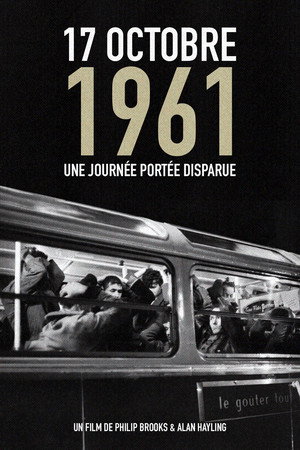
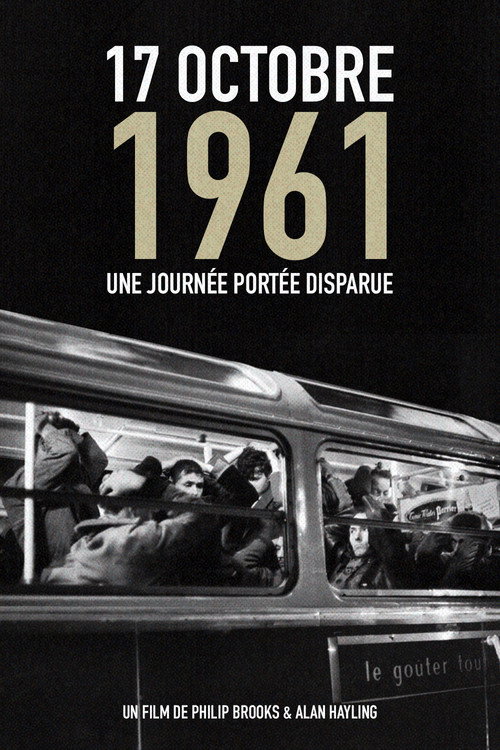
Jacques Panijel is best known for having clandestinely filmed, from October 1961 to April 1962, *October in Paris*, a documentary about the Algerian demonstration organized at the instigation of the FLN on October 17, 1961. The film was banned and screened underground until a police raid on a Parisian cinema led to the seizure of the copy. Screened again in May 1968 at the 3 Luxembourg cinema, alternating with Gillo Pontecorvo's *The Battle of Algiers*, it obtained a censorship permit in 1973, following a hunger strike by filmmaker René Vautier, the director of *To Be Twenty in the Aurès*. In the summer of 1968, he denounced the entry of Soviet troops into Czechoslovakia and made his final public appearance at a meeting at the Mutualité with Michel Rocard and Alain Krivine.
He ended his scientific career as a research director at the CNRS and head of the immunology and pathophysiology department at the Pasteur Institute.
Jacques Panijel died on September 12, 2010, in Paris. He was initially buried in Montparnasse Cemetery before being transferred to the cemetery of Saint-Pantaléon-de-Larche (Corrèze).